


Whether you're training for a marathon, wanting to support a well-balanced diet or just searching for a mid-day snack to toss in your lunch box, we all know protein is something that we should be eating regularly. But how much should you actually be consuming? And are there any types of protein that are better than others?
We spoke with registered dietitian nutritionists and a chief nutrition officer from WeightWatchers to answer all of your burning questions about protein. Plus, our editors shared their preferred protein snacks.
 For a little added crunch$3.29$3.49
 Bite-sized protein$undefined$12.98


How much protein should you be eating?
“A common guideline for active individuals is to consume around 1 gram of protein per pound of ideal body weight,” says Gabrielle Kishner, a registered dietitian nutritionist.
"While there is no single, universal definition of an active individual, it generally refers to someone who engages in regular physical activity beyond everyday movements,” she adds. “This can include consistent exercise sessions (such as 3-5 times per week), participation in sports, physically demanding work or frequent activities like walking, cycling or other recreational activities.”
Contrary to popular belief, there is actually a science to figuring out what your "ideal body weight" should be. “Ideal body weight can be estimated using the following formulas: for females, start with 100 pounds for the first 5 feet of height and add 5 pounds for each additional inch; for males, start with 106 pounds for the first 5 feet and add 6 pounds per additional inch," explains Kishner.
Once you've calculated your ideal body weight, Kishner says you can use the following formula to determine how much protein you should have on a daily basis:
- First convert your ideal weight to kilograms. Divide your ideal weight in pounds by 2.2 to find the weight in kilograms.
- Then, multiply your weight in kilograms by the chosen protein factor based on your activity level to get total grams of protein per day. "Sedentary individuals typically require 0.8 to 1.0 grams of protein per kilogram of body weight, while athletic or highly active individuals may need significantly more — typically 1.5 to 2.0 grams per kilogram — to support muscle repair, growth and performance," explains Kishner.
Using the above formula for an active individual whose ideal body weight is 178 pounds (about 80.9 kg), their daily protein goals would be would be between 121 grams of protein (80.9 kg x 1.5 kg protein factor) and 162 grams of protein (80.9 kg x 2 kg protein factor).
In order to meet your goals, Kishner suggests including approximately 20-30 grams of protein per meal throughout the day.
Kishner emphasizes that protein recommendations vary "based on factors such as the type, intensity and duration of physical activity, as well as the person’s body composition, overall health and personal goals. As always, consulting a registered dietitian is the best way to determine your individual protein needs."
How much protein should you have if you're on a GLP-1 or weight-loss medication?
“The general formula for calculating protein needs while taking a GLP-1 remains the same and is based on factors like body weight and activity level,” explains Kishner.
However, Kishner and Michelle Cardel, chief nutrition officer at WeightWatchers, agree that protein intake becomes even more important when you're taking GLP-1 medication. “These medications act on appetite-regulating centers in the brain, slow gastric emptying and increase feelings of fullness, which makes it easier to eat less without feeling deprived,” says Cardel.
"[Protein] plays a critical role in preserving muscle mass during weight loss,” explains Kishner. “These medications work by suppressing appetite, which often leads to a reduction in overall calorie intake and, consequently, protein consumption. Without adequate protein and some form of resistance or strength training, a significant portion of the weight lost while using GLP-1s may come from muscle rather than fat.”
Kishner adds that losing muscle mass via a lack of proteins can also lead to a decrease in physical strength, negatively impact your metabolism and make “long-term weight maintenance more difficult.”
Editor-approved protein snacks to shop


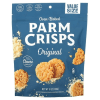
“Parm crisps are my favorite because they’re packed with protein and they remind me of the little burnt bits of cheese on pizza,” says photo editor Vivian Le. “I sometimes eat a handful on their own or mix them into a salad.”

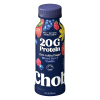
"I first tried this drink at an event a few months ago and was pleasantly surprised at how delicious it was," says associate editor Kamari Stewart. "I've tried several high-protein yogurts over the years and they all taste either too thick, too chalky or both. This drink goes down smoothly and I would've never suspected it was high protein if I didn't see the label. [My fiancé and I] love them for some quick protein post-run or for grabbing it on the way out the door in the morning."

There are few days that rival the excitement of birthdays and Christmas. However, the days that Witonsky and I receive a package with meat sticks in them give those holidays a run for their money.
While I prefer the ranch offering for a bit of added flavor, each one is designed to be consumed in moments where you need recovery, a portable snack or a good-for-you option with little-to-no sugar.


“The texture is soft and not chewy, it’s slightly sweet and doesn’t leave any crumbs behind,” says writer Jannely Espinal, who admits that this specific protein bar was the one that convinced her to consider them as a post-run snack.
They have a plant-based ingredient list that will “drive your taste buds nuts,” according to the brand.

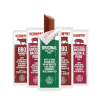
These bite-sized beef sticks provide the perfect amount of protein for a post-lunch snack to carry you through the rest of the work day. They’re available in three flavors our editors love (and devoured in a short amount of time!)

This protein bar earned high praise from our team of editors and producers who taste-tested it against others, likening the flavor to that of a popular candy bar.
It packs a large amount of protein in one bar, making it an ideal choice for fuel on busy or long days with few breaks.

These are another favorite of Stewart’s. “I love to get a big pack of these at Costco and keep them on hand for when my fiancé and I are in a rush and just need something quick as we’re running out the door,” she says. “We also like to make protein coffees so we’ll use these instead of traditional creamer and it tastes just as good!”

“My hands-down favorite work breakfast is some kind of cereal (oatmeal, granola, muesli), so was excited to try this new kind from Magic Spoon,” says Witonsky. “The biggest draw for me was the protein — it has 13 g per serving — and the low sugar content. The granola was just sweet enough, especially served with milk and berries, though there was a bit of an artificial taste.”

Free of any “icky” ingredients, per deals editor Rebecca Brown, this is a protein-forward snack that any parent will feel comfortable feeding their children. They’re available in boxes of 12 bars, perfect for handing out after soccer games or passing around during road trips.

"The bar is made with organic coconut oil and the flavor definitely comes through," says social video producer Anita Chomenko, who adds that the texture is similar to a Rice Krispies Treat.
She enjoys the variety of flavors these bars are available in, playing to both sweet and savory taste buds.

"My husband recently got into Good Gummies and I usually steal a few when he breaks them out," says senior partnerships editor Francesca Cocchi Zabloudil. "We both love sour gummy candy, so it's nice to have an option with some nutrition benefits."

"Sometimes after dinner or in the afternoon — if I need something that’s going to keep me full until my next meal — I just mix some protein powder with water or almond milk,” says writer Emma Stessman. “I’ve been loving the Ballerina Farm powders because the flavors taste like real chocolate and vanilla, instead of artificial versions. And it’s by far the easiest one to mix into water that I’ve found! You don’t even need a blender bottle, I just do it right in a mug and it’s super smooth.”
I've personally been particularly obsessed with the strawberry crème flavor, as it tastes exactly like a strawberry milkshake. Next on the wish list: a Ninja Creami to make legitimate sweet treats with this protein powder!
Frequently asked questions
Protein works to maintain muscle mass in the body and ensure adequate growth, according to a 2019 article published in the academic journal "Nutrients." Neglecting to incorporate protein in your diet can cause decreased physical strength and have a negative impact on your metabolism, according to Kishner.
Kishner says that “complete proteins” are the kinds you want to be consuming, as they include “all nine essential amino acids that the body cannot produce on its own.”
According to the Cleveland Clinic, the nine essential amino acids are histidine, isoleucine, leucine, lysine, methionine, phenylalanine, threonine, tryptophan and valine. Since our body does not naturally produce these amino acids, we must seek them from external sources like the foods we eat.
You can find these essentials in poultry, beef, fish, eggs, dairy products and whey protein, according to Kishner. The protein is considered “incomplete” if it lacks one of the nine, she explains.
Cardel says individuals should be opting for “lean, nutrient-dense options” that will keep you fuller, longer. These look like: “fish, beans, lentils, eggs, tofu and poultry, that deliver much more than just protein,” according to Joy Bauer, a registered dietitian nutritionist and nutrition contributor for the TODAY Show. She says these proteins “also supply important vitamins, minerals and healthy fats.”
For example, when eating salmon, you’re not only receiving adequate protein, but you’re also consuming omega-3 fatty acids. With a sirloin steak, you’re receiving iron on top of protein. This “variety is key when choosing proteins,” says registered dietitian nutritionist, Frances Largeman Roth.
Bauer agrees, saying that “mixing different sources keeps meals exciting and ensures you’re getting the full spectrum of nutrients your body needs to thrive.”
Cardel also encourages consumers to “try to limit heavily processed protein sources that are high in saturated fats, sodium or added sugars, such as deli meats, fried meats or protein bars and shakes with long ingredient lists and little nutritional value beyond the protein.”
Kishner says lentils, beans, nuts, peas, seeds, nutritional yeast and whole grains fall within the complete protein category as well.
“To ensure adequate intake — whether from animal or plant sources — it’s helpful to include a diverse range of protein-rich foods regularly and spread them evenly across meals,” she advises.
How we chose
For this article, we interviewed expert sources to help cut through the noise surrounding the topic of protein. We also polled editors on their favorite protein snacks, and included ones that fit the framework set by the experts we interviewed.
As an editorial team, we independently create content and determine coverage based on research, reporting and what we think TODAY.com readers would like to read about. The goal of our content is to provide a service and inform readers who are on the hunt for the latest products to help make their life better. Items are sold by retailer, not TODAY. Pricing and availability are accurate as of publish time.
Meet the experts
At Shop TODAY, our reporters interview a range of qualified sources and experts to capture a wide scope of perspectives on protein powder. We also make sure that all expert guidance and recommendations are made independently and with no undisclosed financial conflicts of interest.
- Joy Bauer is a registered dietitian nutritionist and a nutrition contributor for the TODAY Show. She was recently on TODAY to share her favorite summertime snacks.
- Michelle Cardel is a chief nutrition officer at Weight Watchers, a registered dietitian and an obesity and nutrition scientist. She recently appeared on TODAY to highlight winners from the WeightWatchers Awards.
- Gabrielle Kishner is a registered dietitian nutritionist based in New York City. She mostly works one-on-one with clients to form long-lasting nutrition goals.
- Frances Largeman Roth is a registered dietitian nutritionist, New York Times bestselling author and formerly served as the food and nutrition director at Health magazine. She previously spoke with TODAY.com on the food you should be incorporating into your diet for better brain health.

