


Rosy red cheeks are adorable on babies, and a little blush can help accentuate cheekbones. But facial redness can be frustrating when you have too much of it in the wrong places, or it simply won’t go away.
Various skin disorders can cause facial redness. And the American Academy of Dermatologists lists several causes, including pimples, eczema, rosacea, dermatitis, allergies, swollen veins — and even more serious conditions like cancer. Fortunately, less serious causes are more common, but it’s a good idea to get a medical expert's opinion when your face seems redder than it should be.
To help you tame your specific type of redness, we'll go through the leading causes, how to avoid facial redness, and the skin care products to turn to when it does happen. Ready for calm and clear skin? Keep scrolling or use the links below.
 Best color-corrector$undefined$12.97
 Award-winning cream$undefined$30.99


Why is my face red?
Your face could be red for many reasons. The list below, while lengthy, is not exhaustive:
Emotions: Some people get red in the face when they are embarrassed, pleased or angry.
Hot flashes: Commonly seen in those experiencing menopause, hot flashes are a sudden feeling of warmth that floods your face and upper body.
Acne: Commonly known as pimples, this condition refers to when your skin breaks out into painful red bumps or blemishes like blackheads and whiteheads.
Eczema: Also known as atopic dermatitis, this condition involves very dry skin prone to redness, itching and scaling.
Rosacea: “Rosacea is a condition that leads to redness and often pimples on the face,” says Dr. Angela J. Lamb , a board-certified dermatologist in New York City. It’s commonly mistaken for acne.
Dermatitis: This is a blanket term for any irritation or inflammation of your skin. For instance, “[contact dermatitis] is when your skin has an allergic reaction to something you’ve applied topically,” says Dr. Howard Sobel, a New York City-based dermatologist. Irritants include certain perfumes, preservatives or metals.
Psoriasis: Your skin makes new cells too fast when you have this condition, creating a blotchy, reddish look.
Over-exfoliation: Scrubbing your skin too hard can irritate and redden it. “This is getting to be very common as at-home peels are gaining in popularity. While at-home peels are safe and effective, if you over-exfoliate, you do compromise and weaken your skin barrier, which inflames the skin,” Sobel says.
Vigorous physical activity: A rigorous workout gets your heart working hard and may cause your face to flush.
Sun and wind damage: The sun can damage your skin, causing sunburn, spider veins, blisters or even skin cancer.
Allergies: Exposure to allergens can irritate your skin, causing swelling and redness.
Toxins and chemicals: Exposure to pesticides, cleaning agents, petrochemicals, and other dangerous chemicals can make your face red.
Other skin conditions: Germs that infect the skin, including bacteria, fungi, and parasites like scabies, can make your skin red.
Other health conditions: Your skin is your largest organ, so health conditions like lupus, Kawasaki’s Disease, and cancers can redden your skin.
How do you reduce redness on your face?
Once you know why your skin is red, fixing it is a lot easier. Consider the following tips to jumpstart the process:
Pare down your product routine
If you think your red skin is due to a product allergy or over-exfoliating, it’s time to simplify your product routine.
“I usually recommend eliminating all nonessential products in these cases, including makeup to reduce allergen exposure. Once you allow the skin to calm down, then reintroduce products one by one over a period of days to allow for the culprit to identify itself. A visit to a dermatologist or allergist that does patch testing is helpful in causes related to allergies,” says Vega.
Seek out soothing ingredients
When it comes to skin care, it’s what’s inside that matters most. “Ingredients in skin care products, such as niacinamide, allantoin, and aloe vera, may help calm skin and reduce redness,” Dr. Brendan Camp, board-certified dermatologist of MDCS Dermatology, says.
Bank also recommends the following soothing ingredients: sulfur, caffeine, licorice root, chamomile and cucumber.
Best products recommended by experts
Amazon bestseller:

Dr. Jacqueline Watchmaker, a board-certified dermatologist with U.S. Dermatology Partners Scottsdale, recommends this affordable find.
“It’s one of my favorite face washes for sensitive, rosacea-prone skin. It’s gentle, unscented and not too expensive!” she says.
Gentle formula:

Toning down your skin care routine is important when you’re dealing with redness. Dr. Angela Lamb, a board-certified dermatologist based in New York City, likes the former version of this gentle cleanser by Aveeno, which is formulated with calming feverfew, so it’s said to be perfect for those with sensitive skin. Like its predecessor, the brand’s Calm and Restore cleanser is also hypoallergenic and sulfate- and paraben-free.
Overnight relief:


Dr. David E. Bank, a board-certified dermatologist in Westchester, New York. swears by this redness-targeted night cream, which contains niacinamide, allantoin, licorice root and caffeine to help reduce redness. Several reviewers highlight how hydrating this moisturizer feels without going on greasy or heavy.
Tackle uneven texture:

Your skin can look a bit scaly when it gets red and irritated, so if you’re looking for something to help address uneven texture, Lamb says this paraben-free, unscented brightening cream, powered by 10% azelaic acid, is an affordable option.
Notable ingredients:

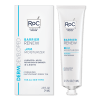
“The goal of treating facial redness is to repair the skin barrier and calm the skin itself. Look for moisturizers that hydrate and protect the skin,” board-certified dermatologist Dr. Joshua Zeichner says.
The skin care savant recommends this moisturizer from RoC because of its powerful ingredients. “It contains a blend of ceramides, fatty acids and natural emollient oils to hydrate, soothe and protect the skin,” he says.
Color correcting:

Bank also recommends this budget-friendly tinted balm that promises to blur redness and nourish dry, flaky skin, thanks to peptides, antioxidants and green-encapsulated pigments.
Shop TODAY Award Winner:


Sobel suggests looking for gentle cleansers that are hydrating, fragrance-free and made with as few ingredients as possible, like this one from CeraVe. It’s gentle enough that it can be used every day without leaving your skin feeling stripped of moisture. The key is in its name: It has three essential ceramides, which help lock in moisture, as well as hyaluronic acid and glycerin.
A Shop TODAY Beauty Award winner, this cleanser was bestowed a perfect 10 by our testers for value, satisfaction and quality. “It’s gentle, non-stripping and hydrating. I have relatively sensitive, acne-prone skin and haven’t had any issues,” says Amanda Garrity, former SEO lifestyle editor for TODAY.com.
Best multitasker:


If reducing redness and soothing your skin are high priorities, this multitasking gel cream formulated with prebiotic oat is a worthy contender, in Bank’s opinion. It also contains calming feverfew and is fragrance-free (though it does have a subtle scent, according to some reviewers).
Antioxidant-rich:

Antioxidants are key to improving redness and inflammation, according to Anolik, who recommends this multitasking serum that’s formulated with vitamin C and niacinamide.
Fragrance-free:


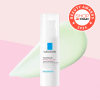
The previous version of La Roche-Posay’s moisturizing serum, which has since been reformulated and is now in new packaging, contains ambophenol, an ingredient Sobel suggests using to soothe skin. This new formula also contains the soothing dipeptide neurosensine, which the brand tested and clinically proved to “reduce sensations of discomfort.” Reviewers say they like how well this product neutralizes visible redness and how smooth and non-greasy it is on the skin.
Loved by editors, experts and shoppers:

Size: 1.7 oz. | Active ingredients: Licochalcone, licorice root extract | Formulation: Cream | Best for: Sensitive
Licochalcone, a skin-soothing extract of licorice root, is the star ingredient of this anti-inflammatory cream that both Lamb and board-certified dermatologist Dr. Robert Anolik recommend for treating redness overnight.
Our Beauty Awards testers can vouch for it, too. One of them, TODAY.com senior photo editor Mish Coffey, observes, “It went on light, and my skin was clear and not dry in the morning like it usually is. I have incredibly sensitive skin and I was worried about breakouts or hives. I didn’t get either and my face wasn’t red.”
Great for rosacea:

When you’re dealing with redness, gentle formulas are the name of the game. Anolik likes this gentle moisturizing cream that uses microbiome technology to help soothe redness and blotchiness. Reviewers who struggle with rosacea give this product rave reviews, and others say it’s easy to apply and it acts quickly.
Expert-approved splurge:

Every once in a while, you stumble upon a product that's worth splurging on. Dr. Celeste Durham, a board-certified dermatologist with U.S. Dermatology Partners Fort Worth, suggests giving this cream a try. She explains, "It was given an endorsement by the National Rosacea Society and is something I use myself to help with redness."
Best products recommended by editors
For all skin types:

Size: 10.1 oz. | Active ingredients: Evian water, nitrogen | Formulation: Spray | Best for: All skin types
If your face constantly goes through dryness and tightness along with inflammation, you can’t go wrong with this affordable pick that’s a fave among some of our Shop TODAY staff.
The brand conducted a consumer research study among women who used this spray twice a day for 30 days, and they reported feeling “improved hydration, relieved tightness and a softer overall feel of skin.”
Weekly treatment:

Associate editor Shannon Garlin says that she loves using this clay mask once a week to help soothe and wake up her skin.
“This clay mask replenishes my dry skin and relieves it of any irritation. It is a thick clay mask that takes a while to wash off but once it is rinsed, my skin looks so energized and bright,” says Garlin.
Quick relief:

"For sensitive and rosacea-prone skin, I recommend a hypochlorous acid spray to help calm down inflammation. It is anti-inflammatory and can alleviate signs of redness," board-certified dermatologist Dr. Mina Amin says.
The spray from Tower 28 with an appropriate name - SOS - and cites hypochlorous acid's "antimicrobial" properties. "It plays an important role in wound healing. It can be helpful for atopic dermatitis (eczema), rosacea and acne," Dr. Amin adds.
Hydrating formula:

This face wash from Scarlett Johansson’s skin care line, The Outset, is said to be completely fragrance-, sulfate- and silicone-free. According to the brand, it will gently cleanse your skin without it feeling stripped of moisture.
Garlin says she just started using this and it has been one of her favorite cleansers yet. “I have very sensitive and dry skin this cleanser leaves my skin feeling refreshed, redness-free and completely hydrated. I love that most of the ingredients are plant-based, it really helps my skin feel soothed,” she says.
Temporary fix:

Dr. Brendan Camp, board-certified dermatologist of MDCS Dermatology, is fond of this makeup must-have for times when you need to reduce redness. "Primers enhance makeup coverage and help makeup stay put longer. This green-tinted primer helps offset the appearance of background redness," he says.
Multiple uses:

The sensitive-skin-safe serum harnesses East Asian Medicine to tackle redness, hyperpigmentation, scars and dullness. The key ingredients? Powerful botanicals like astragalus root, which helps skin recover and minimizes the appearance of wrinkles, and peony root, which helps balance your skin’s barrier and calms inflamed skin.
And we can attest after using this for months: It doesn’t leave your skin oily, despite its oil formulation.
Additional products to soothe redness
Unique ingredients:


If you’ve been struggling to find a cream that’s affordable and calming, and whose moisturizing benefits actually last through the night, this night cream by Mario Badescu just might be the ticket.
One representative on the brand’s website says in response to a customer’s question: “Our Seaweed Night Cream can be used on dry, combination and sensitive skin types to help provide hydration and reduce blotchiness. It can also be used if you are acne-prone.”
The seaweed in the cream’s formulation is Bladderwrack Extract, which is said to be full of nourishing and hydrating minerals that won’t clog your pores. It also contains the anti-aging ingredient collagen, as well as sodium hyaluronate, a moisture-retaining humectant.
Skin barrier protector:


This night cream is packed with ceramides, peptides and niacinamide to help skin feel and look restored, all while protecting the skin barrier, says the brand.
"I have incredibly oily skin, but I bought this after I went overboard on acne treatment and ruined my skin barrier. This did not cause me pimples or irritation, and did not increase oiliness. Makes my skin look soft and plump," wrote one Ulta reviewer.
Skin booster:


Size: 1 oz. | Active ingredients: Azelaic acid, salicylic acid | Formulation: Lightweight cream | Best for: Normal, dry, combination, oily skin
More of a lightweight lotion than a serum, this azelaic acid booster from Paula’s Choice can be used alone or alongside your favorite serum or night cream to “boost” your skin care’s effectiveness when it comes to reducing redness.
It’s formulated with both 10% azelaic acid, which is known for its acne scar-fighting and skin-brightening powers, and 0.5% salicylic acid, which helps clear up pores. But before you worry about all the acid, this booster also contains licorice root, which both soothes skin and visibly reduces redness.
Calming scent

This lightweight lavender-scented spray packs a three-pronged punch: It’s said to calm redness, soothe irritation and rebalance your skin’s moisture barrier. The mist uses a proprietary UltraCalming complex that contains calming oat and botanical ingredients like ginger root, which work alongside cooling aloe and protective bisabolol.
Bonus? This can be used under or over makeup, as well as post-wax or after exfoliation.
Mild formula:


“The cold left my face irritated and this cream helped and took away the redness from my skin. It moisturizes and does not leave a greasy feeling. I recommend this cream to use after peeling, laser, or anything that may irritate your skin. It is very mild and suitable for all skin types,” wrote one Amazon reviewer.
Splurge-worthy option:

This face mist is pricey, but it has the clinical data to back its touted redness-reducing and hydration-boosting powers. After a study that tested this product on 50 women, ages 18 to 65, with mild to moderate facial redness, the brand reports an immediate reduction in visible redness by over 30%, not to mention increased hydration by 69%.
How we chose the best products to reduce facial redness
The Shop TODAY team interviewed certified experts, including physicians, dermatologists and allergy specialists. We also did hours of research, scouring the Web for products with positive user experiences and reviews. We also used our background in covering skin care to thoroughly inspect ingredient lists, seals of recognition and regulatory approval lists. Plus, some of us who have facial redness share our favorite products and feedback here.
Meet our experts
At Shop TODAY, our reporters interview a range of qualified sources and experts to capture a wide scope of perspectives on a given topic. We also ensure that all expert guidance and recommendations are provided independently and without any undisclosed financial conflicts of interest.
- Dr. Mina Amin is a board-certified dermatologist who completed her undergraduate studies at the University of California, Los Angeles (UCLA) and obtained her medical degree at the University of California Riverside School of Medicine.
- Dr. Robert Anolik, MD, is a board-certified dermatologist in New York City. He specializes in cosmetic dermatology and laser skin surgery.
- Dr. David E. Bank, MD, FAAD, a board-certified dermatologist in Westchester, New York. He is founder and director of The Center for Dermatology, Cosmetic and Laser Surgery. Bank has been practicing dermatology for 25 years.
- Dr. Brendan Camp is board certified dermatologist of MDCS Dermatology.
- Dr. Celeste Durham is a board-certified dermatologist with U.S. Dermatology Partners Fort Worth.
- Dr. Angela J. Lamb, MD, is a board-certified dermatologist and director of the Westside Mount Sinai Dermatology Faculty Practice in New York City.
- Dr. Howard Sobel, MD, is a New York City-based dermatologist who specializes in cosmetic dermatology and surgery and aesthetic treatments. He owns Sobel Skin, a private practice in the Upper East Side.
- Dr. Janelle Vega, MD, is a board-certified dermatologist based in Miami. She specializes in cosmetic dermatology, focusing on a "holistic approach to skin care and aging."
- Dr. Jacqueline Watchmaker is a board-certified dermatologist with U.S. Dermatology Partners Scottsdale.
- Dr. Joshua Zeichner, MD, is a board-certified dermatologist based in New York City and Associate Professor of Dermatology and the Director of Cosmetic & Clinical Research in Dermatology at Mount Sinai Hospital.
