


For those of us who have never had a bunion, they’re somewhat of a mystery. But, anyone who lives with the frustrating foot condition — one in three Americans experiencing them at some point to be more precise, according to the Cleveland Clinic — can attest that they’re no fun.
While bunions can definitely influence our footwear choices, there are plenty of options on the market that help relieve discomfort. From wide‑fit designs to thoughtfully placed straps and flexible materials, the right features can make a world of difference for people with bunions.
With that challenge in mind, finding a comfortable, supportive pair doesn’t have to feel impossible. Below, you’ll find our curated picks and expert advice to help you step into comfort — and maybe even a little joy — sooner than you think.
 Expert-approved sandals$undefined$84.99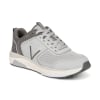


What are bunions?
The word “bunions” gets tossed around a lot in the footwear world, but we honestly weren’t quite sure what it meant until we caught up with two top podiatrists.
“A bunion is a prominence on the first joint on the base of your big toe on your foot,” Dr. Asim Sayed, a podiatrist and foot/ankle surgeon from Overland Park, Kansas, explains. In other words, it’s a sizable bump that forms when the metatarsal bone begins to shift outwards.
Bunions are often caused by genetics, but can be the result of several other factors including tight shoes, overpronation (caused by the way you walk) and ligament laxity of the foot. According to Sayed, those with flat feet are also more prone to developing bunions than folks with high arches.
Once you have a bunion, you’re usually stuck with it — unless you want to undergo surgery.
“You can manage them to feel more comfortable, but the only way to eliminate or reverse them is surgical intervention,” Sayed says, adding that untreated bunions can lead to arthritis pain.
What kinds of shoes are best for bunions?
When shopping for shoes for bunions, the name of the game is space, so wide styles and stretchy materials are ideal.
“With any type of shoe, be mindful of the material and look for a shoe made of a forgiving upper (top part of the shoe) material,” Sayed says.
If you’re looking for a more particular style, here’s a quick cheat sheet to help you find your sole-mate.
- Best sandals for bunions: “Sandals work well as long as the strap isn’t located over the bunion area, as that can cause unwanted irritation,” Sayed says.
- Best heels for bunions: “Look for a wider sole without any tight fitting straps around the toe area,” Sayed says.
- Best sneakers for bunions: “If overpronation or ligament laxity is the cause of the bunion, look for shoes with either a built-in arch support or add in one to the shoe,” functional podiatrist and founder of Naboso Dr. Emily Splichal says.
To make your search easier, foot and ankle surgeon Dr. Zef Markaj recommends starting your search with brands like "Hoka, New Balance, Brooks, Vionic and Orthofeet since they offer wider toe boxes, cushioning and support that reduce bunion pressure."
Brooks is another brand Dr. Gbolaha Okubadejo, an orthopaedic and spinal surgeon, recommends. "Brooks shoes have cushioned midsoles that soften each step and take pressure off the front of the foot."
Expert-approved sandals for bunions

“Flip-flops are an easy choice for a leisurely activity because the placement of the straps shouldn’t irritate the upper area of the foot,” Sayed explains.
These lightweight sandals cradle feet in comfort with their EVA cushioning, arch support and shock absorption. They’re available in six colors with adjustable straps, making them a cute and comfy choice if you’re looking to step up your flip-flop game.

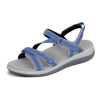
“Consider strap placement on sandals. To ensure no irritation of the bunion, you want soft fabrics and straps that are adjustable and do not cross directly over the bunion,” Splichal says.
Equal parts sassy and sleek, these rubber leather sandals feature eye-catching microfiber straps, an ergonomic outsole that provides nice traction, and a comfort footbed with a soft lining.
"Orthofeet shoes also have soft, stretchable uppers that reduce rubbing on sensitive areas. The soles are cushioned and supportive, which helps with overall foot comfort throughout the day. Many people find them especially helpful for long periods of standing or walking," adds Okubadejo.

Craving extra support? These flip-flops prove that you don’t have to sacrifice fashion for function. In addition to providing awesome arch support, they also reduce foot pain and improve body alignment and posture. You can also use your FSA funds to get a new pair before the summer begins.

Made to support several foot conditions, including bunions and plantar fasciitis, these sandals are great for trips to the beach and beyond. They feature lightweight cushioning, arch support and a contoured back that reduces foot pressure.
Expert-approved sneakers for bunions

“When shopping for shoes, always look for soft stretchable uppers or wider toe box shoes as this will relieve pressure on the pump,” Splichal advises.
Vionic’s Walk Strider fits the bill perfectly with its soft mesh material, wide sizes and built-in cushioning. The shoe comes in multiple shades and neutrals to elevate your everyday style.
“It is so lightweight but supportive and I can wear it comfortably for hours. My feet don’t feel like they are suffocating like they have in other types of active sneakers,” one reviewer shared.

Sick of using a shoehorn to wiggle your way into your sneakers? You’ll adore this hands-free design. The vast array of sizes (including wide options) and roomy toe box will also be music to your ears. Still not convinced? Other awesome features include ankle padding, foam outsoles and a breathable material.

This sneaker’s wide toe box offers feet plenty of space, and the shoe is just about as close to being barefoot as you can get while still feeling comfortable. The lightweight style has a flexible sole and a removable insole, and its non-elevated (“zero drop”) heel also encourages good posture. Even cooler? They have a 5,000-mile sole warranty, per the brand.

Comfy, flexible material? Check. Wide sizes? Double check. New Balance is checking off all the boxes with these cool kicks that are made of a leather and mesh upper. They make walking easy with their responsive cushioning and have a sturdy outsole to boot.
“I like my new shoes for walking with the added support along with the insoles for my arches,” one shopper wrote. Another left the following review: “So much support. So much cushion! It’s like running on a cloud! I seriously can’t stop running. You won’t regret buying these."
Expert-approved clogs for bunions

“Clogs can be beneficial as long as they are supportive and give the forefoot enough room to function properly,” Sayed explains.
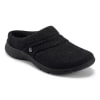
This pair comes in wide and extra wide widths and has a sleek wool blend finish that can be dressed up or down with ease. The padded insole, flexible material and affordable price tag also add major points in our book.

Available in wide lengths that provide more space for bunions, these clogs come from a brand that nurses swear by. The shoe comes with removable footbed with arch support, a slip-resistant outsole and a padded instep collar. Did we mention that it has a roomy toe box?!
Expert-approved boots for bunions

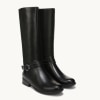
You don’t have to swear off boots just because you have bunions. You simply need to be strategic about finding stretchy styles with more room! Take these ones, for instance. LifeStride made its Aurora Ankle Boots with stretch panels and a forgiving ruched material that won’t restrict your tootsies. On top of that, they also feature memory foam cushioning and a stable sole that provides plenty of traction.

Searching for a waterproof shoe that won’t leave your bunions aching? Look no further! Orthofeet’s Florence Boot is a supportive style that offers arch support with its removable orthotic insoles. The wide toe box, ample cushioning and padded fabric interior have certainly won over shoppers.
“I needed a boot with great traction that is also stylish. The Florence fits that criteria. They are so warm, cute and worked great in the elements already,” one customer shared in their review.
Frequently asked questions
No two foot conditions are alike, and bunions have their own unique set of symptoms including pain in the joint or on the top of the big toe joint when you’re walking. The bump itself can also feel pain, and calluses on the inside of your big toe or ingrown toenails on the inner edge of the nail can form.
“Shoes can feel uncomfortable because as bunions grow, the foot becomes wider and this can cause irritation on the toe joints,” Sayed says. “Another thing that can be irritating, as the bunion progresses, the big toe starts to drift towards the second toe, which can cause rubbing between toes and in extreme cases cause the toes to cross over.”
When you’re already dealing with foot care woes, improper footwear can sometimes exacerbate the problem. “The wrong shoe can most definitely increase symptomatology and possibly make the bunion worse,” Sayed explains.
For instance, if you’re wearing a narrow shoe that doesn’t offer enough space, it can further irritate the bunion.
“Steer clear of leather boots because they won’t have much give and will put pressure on the bunion,” Sayed says.
In general, it’s also best to avoid high heels and other narrow width shoes that can cause irritation.
According to Okubadejo, you want to look for things like a wide toe box, forgiving materials and a solid arch support.
- Wide toe box: "Shoes with more room in the front keep your toes from being squeezed together, which helps relieve pressure on the bunion," he adds.
- Soft, forgiving materials: "Flexible uppers, like mesh or soft leather, are less likely to rub or irritate the bunion throughout the day," says Okubadejo.
- Solid arch support and cushioning: Finally, look for good support since it "helps take stress off the front of the foot and can make walking or standing much more comfortable".
Okubadejo recommends to steer clear of the following types of shoes:
- Pointed-toe shoes: "They squeeze the toes together, putting extra pressure on the bunion."
- High heels: "They shift weight forward, increasing stress on the front of the foot."
- Tight, narrow shoes: "Any shoe that squeezes the foot can worsen pain and irritation."
According to Markaj and Okubadejo, the right shoes can help slow bunions from getting worse. However, your bunions won't magically disappear.
"Shoes with enough room and good support reduce pressure on the joint. This can ease pain and limit irritation over time. Poorly fitting shoes, on the other hand, can speed up progression," emphasizes Okubadejo.
"You should see a specialist if your bunion causes constant pain or interferes with walking. If over-the-counter shoes or pads don’t help, it’s a good idea to get checked by a physician," shares Okubadejo.
He also clarifies that, "Rapid swelling, redness or changes in foot shape also mean it’s time to consult a doctor. A specialist can recommend treatments, exercises, or surgery if needed."
According to Markaj, not everyone need custom orthotics. "Custom orthotics are very helpful for patients with flat feet, instability or recurring pain, because they reduce stress on the joint," he adds.
Okubadejo adds that over-the-counter inserts may work for mild cases but only a podiatrist can determine if custom orthotics are needed.
How we chose
We selected shoes for bunions recommended by experts and tested by editors. We considered important key features such as arch support, cushioning and flexibility. The experts interviewed offered different shoe categories that could fit feet with bunions, along with their top brand recommendations.
Meet the experts
At Shop TODAY, our reporters interview a range of qualified sources and experts to capture a wide scope of perspectives on a given topic. We also ensure that all expert guidance and recommendations are provided independently and without any undisclosed financial conflicts of interest.
- Dr. Asim Sayed is a a podiatrist and foot/ankle surgeon from Overland Park, Kansas.
- Dr. Emily Splichal is a functional podiatrist and human movement specialist. She previously spoke to Shop TODAY on when it’s time to replace your sandals and the best shoes for heel spurs and bunions.
- Dr. Zef Markaj is a board-qualified ankle surgeon based in Michigan.
- Dr. Gbolahan Okubadejo is a NYC-based and board-certified orthopaedic and spinal surgeon, focused on back pain and spinal conditions.

Laura Geller The Baked Starter Kit


Laura Geller The Baked Starter Kit