
Thanksgiving is one of the most stressful holidays of the year for me. Not because of hosting or coordinating plans, but because every year, I’m always focused on getting the turkey exactly right.
After years of playing it by ear and instinct, this year, I’ve decided a perfectly cooked, juicy turkey will be on the table thanks to one nifty little gadget: a meat thermometer. I asked three professional chefs about everything you should know about the handheld tool, plus our editors shared the models that haven’t let them down.
 Leave-in probe style$18.39$21.99


Best meat thermometers, according to editors and experts


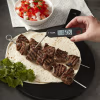
Before we were even together, my husband was loyal to his Taylor meat thermometer. When that one was finally on its way out (after many years), we figured, if it ain’t broke, don’t fix it! So we replaced it with this foldable model that is easy to both use and store.


“This handy little thermometer is one of my most frequently used kitchen items,” says deputy managing editor Francesca Cocchi Zabloudil. “I love how simple it is: Just push it into the thickest part of the meat and the temperature pops up instantly. I love having it on hand for chicken especially so I don’t have to worry if I’ve cooked it to a safe temperature.”


“My go-to is the Lavatools Javelin Pro Classic,” chef Delaney Workman tell us. “It’s ultra-fast, and the long probe folds away for easy cleaning and even easier storage. It has a magnet on the back if you want to leave it somewhere easy-to-grab. It’s also [a] do-it-all tool...I use it for meat, candy, frying oil and poaching liquid.”

Your shortcut to editor approved picks


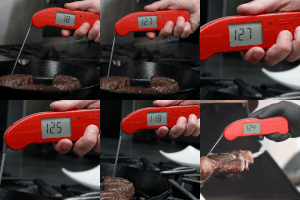
Chefs Mark Trimble and Krissy Downey both called out the Thermapen as their go-to meat thermometer, specifically mentioning its fast and accurate readings, thin probe and how easy it is to use, read and clean.

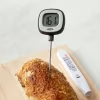
Before using the Taylor thermometer above, I had this Meater model for about two years. I loved that the magnetic case meant it could just stick to my fridge so it was easily accessible whenever I needed it. What really made this one so great was the paired app that told you when the meat you were cooking hit optimal temperature, so you knew when to take it away from the heat and let it rest.
More meat thermometers to shop

This bestselling meat thermometer has nearly 95,000 ratings on Amazon, most of which have overwhelmingly positive reviews. People love it because it’s easy to use, offers accurate readings and for the temperature guide that comes printed directly on the tool.

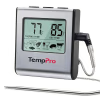
If you want a meat thermometer that does a bit more, this TempPro model with a longer probe fits the bill. It has a timer and alarm function, the ability to set custom temperatures (and it’ll alert you once it reaches that point) and it even comes pre-programmed with optimal cook times for different meats.

Going analog has been all the rage for the past year or so, so why not apply that to the kitchen as well? This tech-less meat thermometer still has a cooking guide built in so you know when to wrap things up.


Thanksgiving is around the corner and if Uncle Jim is planning to attempt a deep-fried turkey (again), make everyone’s life a little bit easier with this tall thermometer. It has a heat shield built in to create a barrier between the food and the backlit screen. It also has silicone pot clips so you can attach it directly to the pot and leave it there. When your ideal temperature is reached, the screen will flash green.
What to look for when shopping for a meat thermometer
Here’s a quick guide to what the chefs we spoke to recommend prioritizing when looking for a reliable meat thermometer.
- Speed: Workman says two to three seconds is ideal to read an accurate temperature. “If you’re standing at an open oven waiting on a reading, your roast — and the oven — is losing heat.”
- Accuracy: Ideally within a degree.
- A thin probe. Workman says this is best so you “don’t poke a big hole that lets the juice escape,” while Trimble adds that it’s helpful for reaching the center of smaller cuts.
- An easy-to-read, autorotating display. Especially something that’s backlit. “Grilling happens at dusk,” Workman says. “And we want to be kind to both left and right handers.”
- Water resistance. A feature called out by both Trimble and Downey that’ll help extend your thermometer’s life cycle through all of the cleaning you’ll end up doing.
Frequently asked questions
“A meat thermometer takes the guesswork out of cooking, helping you check for a safe internal temperature while avoiding overcooking,” says Trimble. “Cooking time, color and firmness can offer clues, but a thermometer tells you what’s happening in the center.”
Workman calls a meat thermometer “the ultimate confidence booster in the kitchen” and Downey agrees. “Especially if you’re just learning how to cook, it can help you understand cooking times how meat cooks to avoid under- or over-cooking,” says Downey.
“It’s the difference between hoping and knowing. Instead of second-guessing, you get the reassurance that your food is cooked perfectly and safely, and that frees you up to actually enjoy cooking,” Workman tells Shop TODAY. “It’s also the cheapest insurance you’ll ever buy for a $60 ribeye or a Thanksgiving turkey, and it means you never have to cut into a steak to check it.”
Our experts recommend using a meat thermometer on:
- Thick cuts of meat (anything over an inch).
- Whole chickens or chicken pieces.
- Anything that needs to hit a specific temperature (like candy!).
Meanwhile, meat thermometers should not be used on:
- Thin cuts of meat (like chicken cutlets).
- Shrimp.
- Scallops.
- Anything that needs to be long braised.
The chefs classify meat thermometers into three types:
- Instant read: Each chef says this is the most versatile type of thermometer, an everyday essential and a great place for beginners.
- Leave-in probe: This one is best for larger cuts of meat and whole birds, especially since you can monitor the temperature as it cooks. “Make sure the probe and cable are rated for your cooking method, and don’t leave an instant-read thermometer in the oven unless it’s specifically designed for that use,” advises Trimble.
- Wireless probe: Workman describes this one as a “fun gadget for grillers, but not a must.”
Ultimately, the best meat thermometer for you will depend on your needs, but an instant read is typically a safe bet.
Trimble references the USDA’s guidance for safe minimum temperatures for the meats you’re eating: “USDA guidance calls for whole cuts of pork, lamb and veal to reach 145 degrees Fahrenheit followed by at least a three-minute rest; ground versions of those meats to reach 160 degrees Fahrenheit; all poultry, including ground poultry, to reach 165 degrees Fahrenheit; and fish to reach 145 degrees Fahrenheit.”
All three chefs agree: placement matters. Insert the probe into the thickest part of the meat, aiming for the center and avoiding bone, large fatty areas and the surface, Trimble notes.
Workman suggests testing the calibration of your meat thermometer every so often in a glass of ice water where she says it should read 32 degrees Fahrenheit.
Like with anything, “Practice makes perfect. Once you start using your meat thermometer, you’ll learn how sometimes certain parts of meat cook quicker than others, and how long things tend to take to cook fully,” says Downey.
How we chose the best meat thermometers
The Shop TODAY editors and writers search the internet to find the best products out there. We interview expert sources, comb through customer reviews and even use our own personal experiences to make shopping easier for our readers.
We curated a list of the best meat thermometers via editor recommendations and highly-rated options based on expert insight.
Meet the experts
- Delaney Workman is a Ballymaloe-trained chef and recipe developer based in Chicago. As the former head chef at Instant Pot, she developed more than 200 recipes across the brand’s full lineup of appliances. Today, she cooks up dinner experiences for Candid Fare.
- Krissy Downey is a chef and former TODAY food stylist.
- Mark Trimble is the executive chef at Omaha Steaks.

Kusshi Beauty Organizer

Kusshi Beauty Organizer